Is Moringa Safe for Hypothyroidism? What South African Research Says
What Makes Moringa Potentially Dangerous for Hypothyroid Patients?
Moringa oleifera, despite its reputation as a superfood, contains compounds that can interfere with thyroid function. A 2019 study published in the Brazilian Journal of Pharmaceutical Sciences found that moringa is rich in thiocyanates - naturally occurring goitrogenic compounds that can block iodine uptake and interfere with thyroid hormone synthesis.
How Does Moringa Interfere with Thyroid Medication?
For hypothyroid patients taking levothyroxine (the standard treatment), moringa poses a specific risk. Research published in Pharmacological Research demonstrates that moringa inhibits the conversion of T4 (thyroxine) to T3 (triiodothyronine) - the active form of thyroid hormone your body actually uses.
This conversion process is crucial because levothyroxine medication provides T4, which your body must convert to T3 for therapeutic effect. If moringa blocks this conversion, your medication becomes less effective, potentially leaving you with persistent hypothyroid symptoms despite taking your prescribed dose.
What Does Conflicting Research Tell Us About Moringa and Hypothyroidism?
The scientific evidence on moringa and hypothyroidism presents conflicting findings. A small 2021 pilot study suggested moringa leaves might improve thyroid hormone levels in hypothyroid patients, showing reduced TSH and improved T3 and T4 levels in just 8 participants over 45 days.
However, this positive study contradicts multiple animal studies and mechanistic research. The weight of evidence suggests the risks outweigh potential benefits, particularly because:
- The positive human study involved only 8 participants - too small to draw reliable conclusions
- Multiple animal studies consistently show thyroid-suppressing effects
- The mechanism by which moringa affects thyroid function is well-established and concerning
Why Are South Africans with Hypothyroidism at Higher Risk?
South African hypothyroid patients face unique challenges that make moringa particularly risky. Research shows that autoimmune thyroid disorders affect 1.2% to 9.9% of the African population, with many cases going undiagnosed due to limited access to specialist care.
Additionally, iodine deficiency remains a concern in parts of South Africa, despite salt iodisation programmes. Adding a goitrogenic compound like moringa to an already compromised thyroid system could worsen deficiency-related thyroid problems.
What Are the Specific Risks of Moringa for Hypothyroid Patients?
The documented risks of moringa consumption for people with hypothyroidism include:
| Risk | Mechanism | Potential Impact |
|---|---|---|
| Reduced medication effectiveness | Blocks T4 to T3 conversion | Persistent hypothyroid symptoms despite treatment |
| Goiter formation | Thiocyanate-induced thyroid enlargement | Visible neck swelling, breathing difficulties |
| Worsened hypothyroidism | Interference with iodine utilisation | Increased fatigue, weight gain, depression |
Are There Safe Alternatives to Moringa for Hypothyroid Patients?
South Africans with hypothyroidism seeking nutritional support have safer options than moringa. Consider these thyroid-friendly alternatives:
- Selenium-rich foods: Brazil nuts, sardines, and sunflower seeds support thyroid hormone conversion
- Zinc sources: Pumpkin seeds, chickpeas, and lean meats aid thyroid function
- Iodine-rich options: Seaweed, dairy products, and iodised salt (in moderation)
- Tyrosine sources: Lean meats, dairy, and legumes provide the amino acid needed for thyroid hormone production
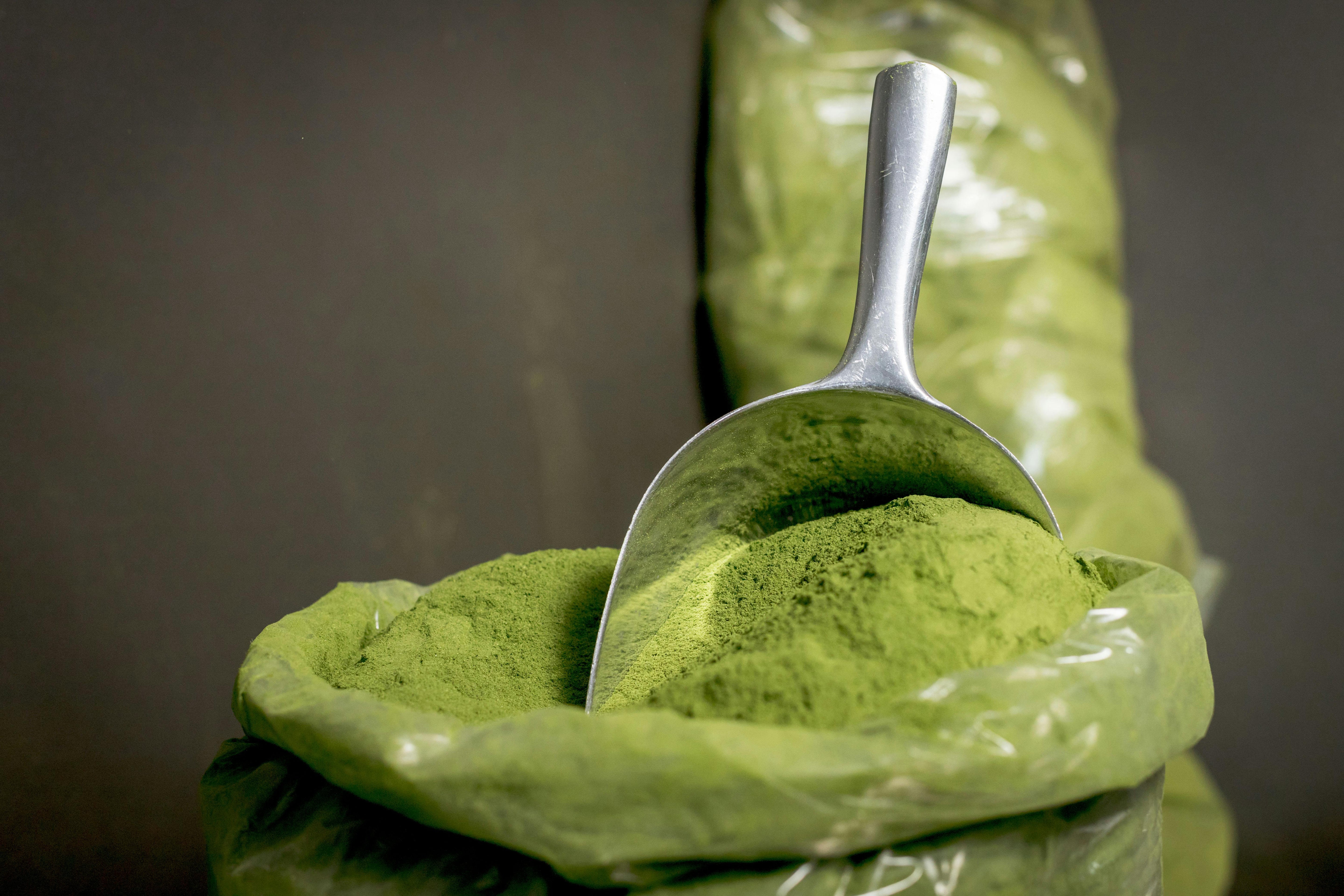
If you're considering organic moringa powder or other moringa products, consult your healthcare provider first, especially if you're taking levothyroxine or other thyroid medications.
Should You Stop Moringa If You Have Hypothyroidism?
If you're currently taking moringa and have hypothyroidism, the evidence suggests you should discontinue use and consult your doctor. This is particularly important if you've noticed:
- Worsening fatigue or hypothyroid symptoms
- Changes in your thyroid function tests
- Neck swelling or discomfort
- Need for increased levothyroxine dosage
Your healthcare provider may want to monitor your thyroid function more closely and adjust your medication if necessary.
FAQs: Moringa and Hypothyroidism Safety
Can I take moringa if I'm on levothyroxine?
The evidence suggests avoiding moringa while taking levothyroxine, as it may reduce the medication's effectiveness by blocking T4 to T3 conversion. This could leave you with persistent hypothyroid symptoms despite taking your prescribed dose.
How long does it take for moringa to affect thyroid function?
Animal studies show thyroid changes can occur within 30 days of regular moringa consumption. However, individual responses may vary, and some people might experience effects sooner or later.
Is moringa safe for Hashimoto's patients?
No, moringa appears particularly risky for Hashimoto's patients because it can worsen existing autoimmune thyroid dysfunction and potentially interfere with thyroid hormone replacement therapy.
What should I do if I've been taking moringa with hypothyroidism?
Stop taking moringa and schedule an appointment with your healthcare provider. They may want to check your thyroid function tests and monitor you for any changes in your thyroid status or medication requirements.
Are there any safe moringa products for hypothyroid patients?
Currently, no form of moringa appears safe for hypothyroid patients based on available research. This includes moringa tablets, powders, or capsules, as they all contain the problematic thiocyanate compounds.
While Moringa Utopia grows premium organic moringa on their farm in Limpopo, providing high-quality products like their all-in-one moringa bundle, the thyroid safety concerns apply regardless of product quality. If you have hypothyroidism, it's best to explore other nutritional options that won't interfere with your thyroid health.
This article is for informational purposes only and does not constitute medical advice. Moringa oleifera is a food supplement, not a medicine. Always consult a qualified healthcare professional before changing your supplement routine, particularly if you are on chronic medication, pregnant, or breastfeeding.